

SIGCSE China symposium at TURC 2019
|
The ACM Turing Celebration Conference - China (ACM TURC 2019), was held from May 17-19, 2019 at Chengdu, China, with its key theme on "Interconnected, Inspired, intelligent". The conference serves as a highly selective and premier international forum on computer science research. Domestic and international academic experts and professors, including some ACM Turing Award winners, shared their perspectives on cutting-edge technologies and discussed the frontier issues in today's society as well as the interdisciplinary development trends together. 
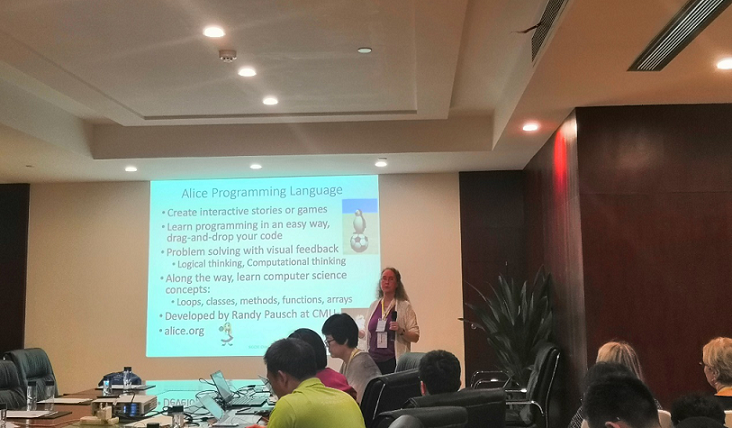
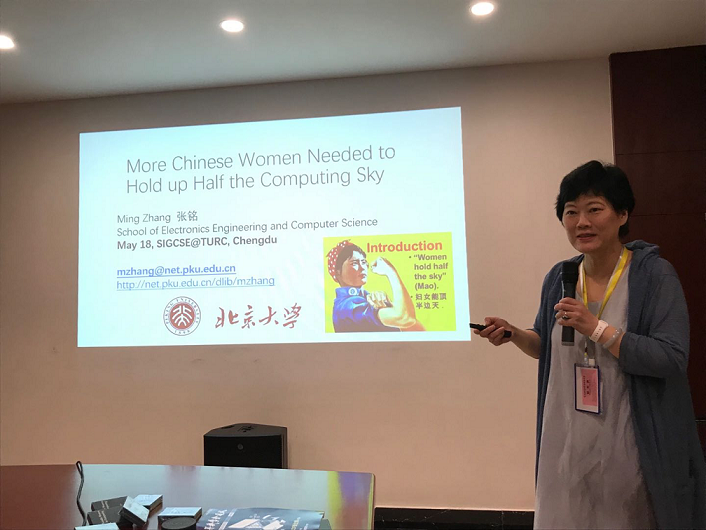
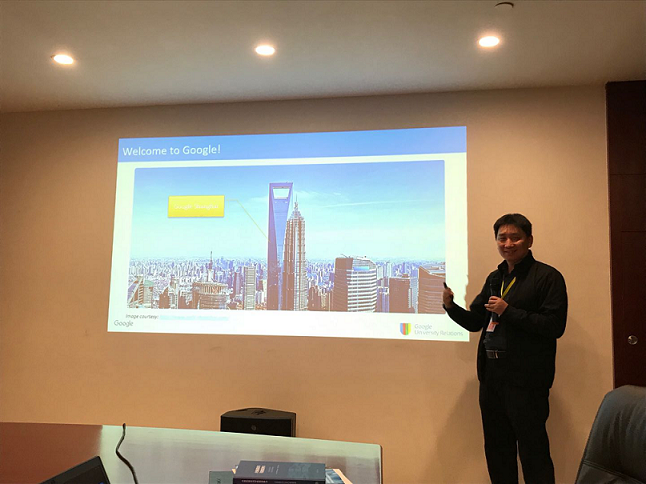
ACM SIGCSE China had successfully hosted the SIGCSE China Forum during the ACM Turing Conference 2019. The SIGCSE China Forum was held on May 18 and 19, in conjunction with the ACM CompEd 2019 Conference. CompEd 2019, or ACM Global Computing Education Conference, is the fourth international high-level conference sponsored by ACM SIGCSE on 17-19 May. The scale and influence of the conference are enormous. Before that, there are only three international conferences on computer education (SIGCSE, ITiCSE, ICER) of ACM SIGCSE, held in North America, Europe and Australia, respectively. The first CompEd conference held in China received more than 100 papers (including 317 authors) from 25 countries. The conference finally received 33 papers from 11 countries. CompEd registered 99 participants through ACM in 2009 and more than 50 participants through Turing Conference. During the meeting, three Working Group discussions, CC2020 Round Table Forum and ACM-W Round Table Forum were held. More than 50 participants participated. CompEd 2019 is the first International Conference on Computer Education organized by SIGCSE in China, which greatly promoted the research and exchange of computer education worldwide. ACM SIGCSE China supported and acted as one of the main contributors for CompEd 2019. During the SIGCSE sub-forum of Turing Conference, Professor Amber Settle, Chairman of ACM SIGCSE, delivered a welcoming speech "Introduction to ACM". Professor Xu Xiaofei, Vice President of Harbin Polytechnic University, Professor Susan H. Rodger, Professor Zhang Ming of Peking University and Zhu Aimin of Google China have respectively made "Agile Computing Education for Sustainable Competitiveness", "Increasing the Diversity in Computing at All Levels", "More Chinese Women Needed to Hold Half the Computing Sky" and "Google Computer Science Education" The Theme Report of "Current Situation in China". |
|||
|
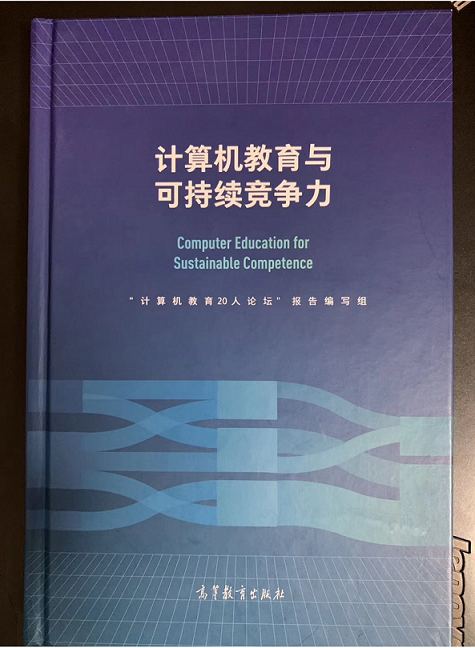
In these talks, Professor Xu Xiaofei’s report on the 20-person Forum and the bluebook on Computer Education and Sustainable Competitiveness is included in the ACM/EECC2020 International Computing Discipline Standard. The forum also discussed the topics of "Computer Education Research" and "Project-based Learning in Data Structure and Algorithms Course". 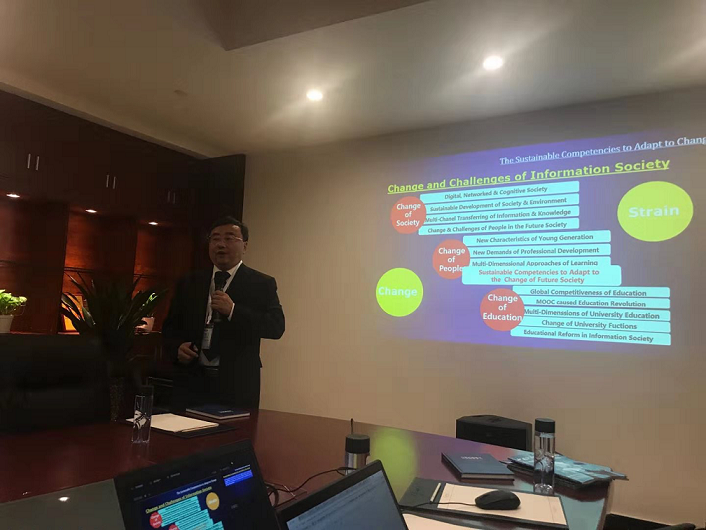
|
|||
|
|||
|
|||
|
|||
|
SIGCSE China Forum has received a total of 44 submissions. The forum accepted 13 papers and 7 posters. These 13 papers were presented on programming, course design, diagnostic assessment and modeling. Among them, Pan Weigong and Sun Guangzhong's paper "CLS-PROG: An Intelligent Tool for rating Programs in Online Judge Systems" won the best paper award at the SIGCSE Forum and was nominated for the best paper at the Turing Conference. 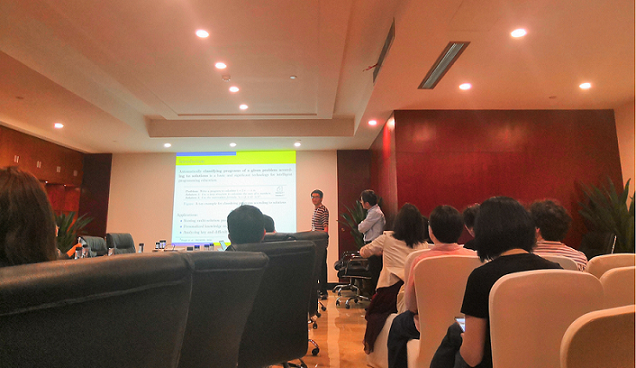
|
|||

|
|||
|
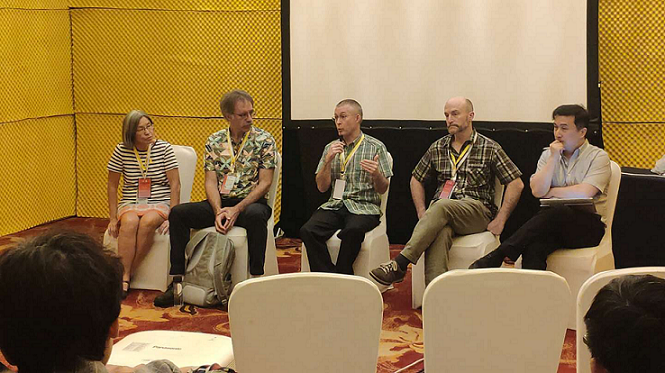
In addition, the forum also discussed CC2020(Computing Curricula 2020), "Computing in Data Science", "Computer Education Research" and "Project-based Learning in Data Structure and Algorithms Course". 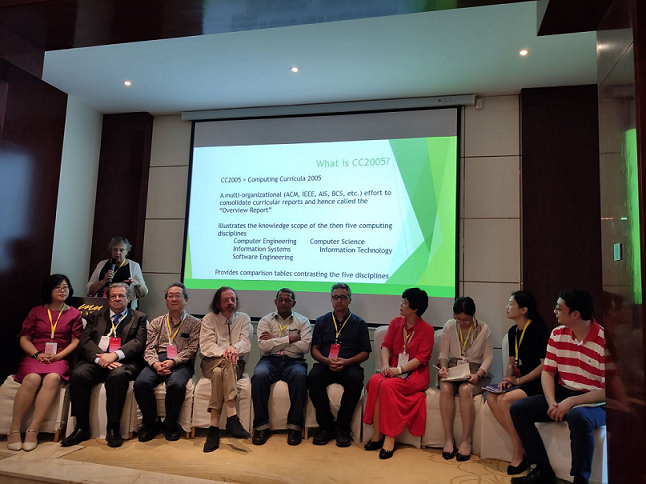
|
|||
|
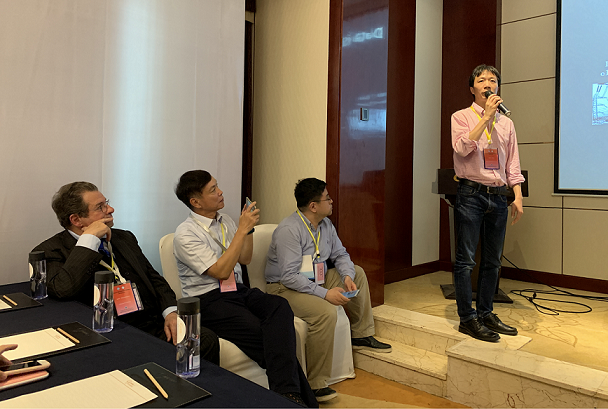
Through these excellent teaching results reports, well-known computer educators have shared the experience of computer professional training program, curriculum system, supporting experimental system and the promotion, design, implementation, and evaluation of the course, which has promoted the full exchange of computer education between China and other countries. In addition, the forum also discussed CC2020(Computing Curricula 2020), "Computing in Data Science", "Computer Education Research" and "Project-based Learning in Data Structure and Algorithms Course". On the afternoon of May 18, ACM SIGCSE China Branch held a meeting of all the members of the board of directors, with 34 members participating. The meeting was chaired by Professor Zhang Ming of Peking University, Chairman of ACM SIGCSE China Branch. At the meeting, the members of the Bureau and the relevant directors briefed on the work this year, and voted to elect the new members of the Bureau and the standing members. At the same time, the Council discussed and discussed the working arrangements of SIGCSE China after its re-election. Up to now, the number of members of ACM SIGCSE China Branch has reached 510. 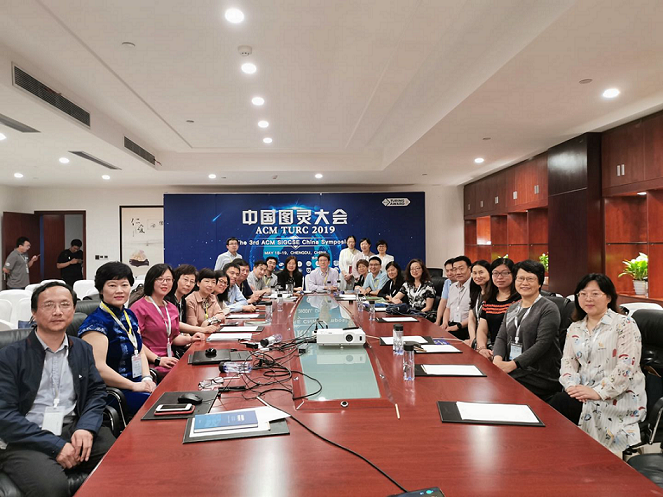
|
|||
|
Attachment: Papers and speeches received accepted at the SIGCSE Symposium Keynote Speech
|
|||
|
Research Track Session
|
|||
other events: |